
Autonomy is desired.
However, decisions are still awaiting approval from senior management.
CULTURAL DNA
Connect the culture your strategy calls for
with the culture your people experience.
Identify the strengths to preserve,
the gaps to address and where to start.
THE CHALLENGE
Values are visible in the decisions, relationships, and daily habits of each person. Sometimes, what the company wants to promote and what actually happens can go in different directions.
Understanding that distance helps in deciding which changes to prioritise before investing in new initiatives.
However, decisions are still awaiting approval from senior management.
However, each department operates with priorities that compete with each other.
However, established habits and criteria continue to dictate daily operations.
HOW DO WE UNDERSTAND THIS?
We compare the desired direction, the experience of individuals, and the overall profile of values. Each perspective contributes to the explanation.
DESIRED CULTURE
Leadership defines or validates the values and behaviours that should accompany the strategy. This aspiration becomes the reference for the diagnosis.
What type of working environment does the next stage need?
PERCEIVED CULTURE
Individuals contribute their everyday experience: how collaboration, decision-making, and commitments are handled within the organisation.
How is this way of working perceived today?
AGGREGATED GPI PROFILE
The GPI assessment provides a combined view of 15 dimensions of values. It helps to identify patterns, similarities, and differences that are worth comparing.
What does the overall assessment show?
Strategy, structure, corporate values, and ongoing changes. Professional interpretation connects the signals with the decisions you need to make.
The desired culture defines the appropriate balance for each value. The goal is to get as close as possible to that reference, not to achieve the highest score in all areas.
WHAT YOU RECEIVE
From the summary for management to the detailed information that allows for action preparation.
EXECUTIVE SUMMARY
PreservePractices that help people share knowledge.
StrengthenAgreements on coordination across departments.
ExploreHow conflicting priorities are resolved.
The essential conclusions, the strengths to protect, and the differences that warrant attention. A reading that connects the results with the organisation's challenge.
It helps you to determine where to focus your efforts before allocating resources.
Let's define what your organisation needsThe report is tailored to the sources, findings, and agreed scope. The feedback allows for comparison and preparation of priorities with direction.
HOW WE WORK WITH YOU
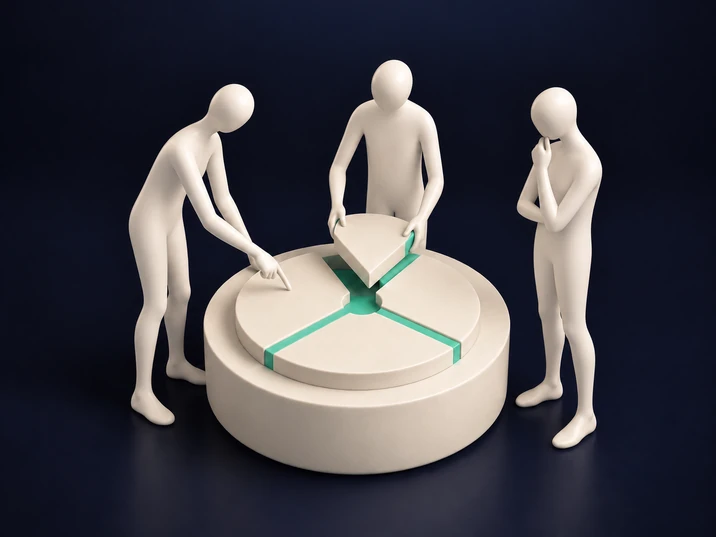
Feedback connects analysis with examples from everyday work. This is the time to ask, compare, and prepare decisions with direction.
We understand what you want to achieve, we review your values, and we concretize the desired culture, participants, and scope.
We organise cultural perceptions and agreed-upon assessments. We review the coverage, consistency, and limitations of the information.
We relate the sources to the context. This allows us to review the conclusions and understand what needs further clarification.
We propose priorities and practices for agreeing on responsibilities, indicators, and reviews. The subsequent support is defined according to the project.
WHEN IT PROVIDES THE MOST VALUE
As you grow, you reorganize teams, integrate companies, or adopt new ways of working.
Identify which practices to retain and which tensions are best addressed.
When management and supervisors need to share criteria on how to make decisions, collaborate, and take on commitments.
Create a common reference point connected to the strategy.
When prioritising development, mobility, or cultural criteria for new hires.
Focus resources on identified and explained needs.
CULTURE, ROLE, AND PERSON
Cultural DNA is a requirement and is part of the Talent Optimisation process. It provides the cultural reference that connects with the requirements of the role and the assessment of the person.
You can also hire it as an independent project to guide the evolution of your culture.
Learn about Talent Optimisation.How we need to work.
What responsibility entails.
What skills and potential they bring.
A fuller picture
for better talent decisions.
BEFORE WE BEGIN
A clear understanding from the first conversation.
The climate study focuses on how the work environment and relationships are experienced. Cultural DNA analyses the values, working styles, and their relationship with the culture that the strategy requires. These are complementary perspectives: a positive work experience does not, on its own, explain whether the culture supports the next stage of the business.
We start with those. We clarify what they mean in practice and connect them to the dimensions of the GPI model. Management validates this correspondence so that the diagnosis speaks the language of the organisation and reflects the behaviours it wants to promote.
The leadership defines or validates the desired culture and provides the strategic context. Perceptions and evaluations can include the participation of agreed-upon groups or the entire organisation. We define the necessary scope based on the challenge and make the limits of available information visible.
A cultural diagnosis presents an aggregated view. Before collecting information, participation, the intended recipients of the results, and confidentiality conditions are agreed upon. Possible interpretations by groups depend on the scope, coverage, and agreed-upon privacy rules.
This depends on the scope, the number of participants, the available information, and the planned sessions. A concrete proposal, including deliverables, dedication, a schedule, and investment, should be provided before starting. The timeframe for the transformation plan is distinct from the time required to develop the diagnosis.
Yes. Cultural DNA can be the starting point for a cultural project. Furthermore, it is a requirement and is part of the Talent Optimisation process: it provides the cultural reference that connects with the role and with the individual's assessment.
The feedback helps to compare conclusions and to prepare action priorities. The organisation decides which commitments to adopt. The number of sessions, facilitation, follow-up support, and new measurements are specified in the proposal; it is not assumed that everything is included in the diagnosis.
LET'S START WITH YOUR CHALLENGE
Tell us about the decision you’re preparing for.
We’ll shape a Cultural DNA project around it.
An initial, confidential, and non-binding conversation.